A 3-Month Solo Trip In One Second Clips

A 3-Month Solo Trip In One Second Clips

A little project I did during my recent solo trip around Central and South America was to take a one-second video, everyday, with the (appropriately-named) 1 Second Everyday app.

Spawned by one of my favorite TED Talks,  the app splices together your clips and sticks the date in the bottom corner, creating a sort of highlight reel for your life.

In the talk, speaker Cesar Kuriyama explains that he started doing this for a number of reasons. Among them were that he simply hated not remembering moments of his life, and also that simply by looking at a one-second clip he was able to trigger memories of much more than just what was in that brief moment. In a way, it was also more than just a reminder to take a video, but to do so something out-of-the-ordinary and “worth remembering”, every day.

Do this daily for a year and you’ll end up with about a six-minute video of your year to look back on (and a pretty priceless keepsake).

As a big journaler, I always loved this idea since it is basically the video (and less time-intensive) version of the same thing. I stuck with using 1SE reasonably well during the summers of 2013 and 2014, but always fizzled out with it for one reason or another. Unfortunately, I am not sure if the clips are stored anywhere I can salvage them.

But ahead of my trip (and with a phone that could better handle the app), I decided to give it a go again.

Aside from a couple of weird/upside-down shots and one of  me trying to be a little too sneaky in Spanish class, I consider it to be a success:

I love taking pictures, however I find going through and sorting/editing/compiling them to be tedious and uninteresting. In terms of giving myself something to look back on from my trip, I love this 1SE idea much better than a photo album.

While it certainly ‘triggers’ my memory like Cesar says, I think it also gives back a much more honest feel to myself (and possibly to others, too) about what the trip was actually like. It also takes minimal effort since the app does just about everything for you (aside from pointing your phone at something cool and hitting record).


Since returning to the ‘real world’, I have been trying to keep the 1SE habit going. I’ve shown or told more people about Cesar’s TED Talk than any other, but the refrain I often hear back from many is that they don’t have anything worth capturing and that it’d just be them “sitting at a desk all day”.

But what I learned from doing this, both on the trip and before, is that a) there is something unique about everyday if you look for it and b) the mundane of routine becomes sentimental nostalgia tomorrow, and certain everyday details you take for granted now may be the ones you look back on with the most fondness in the future.

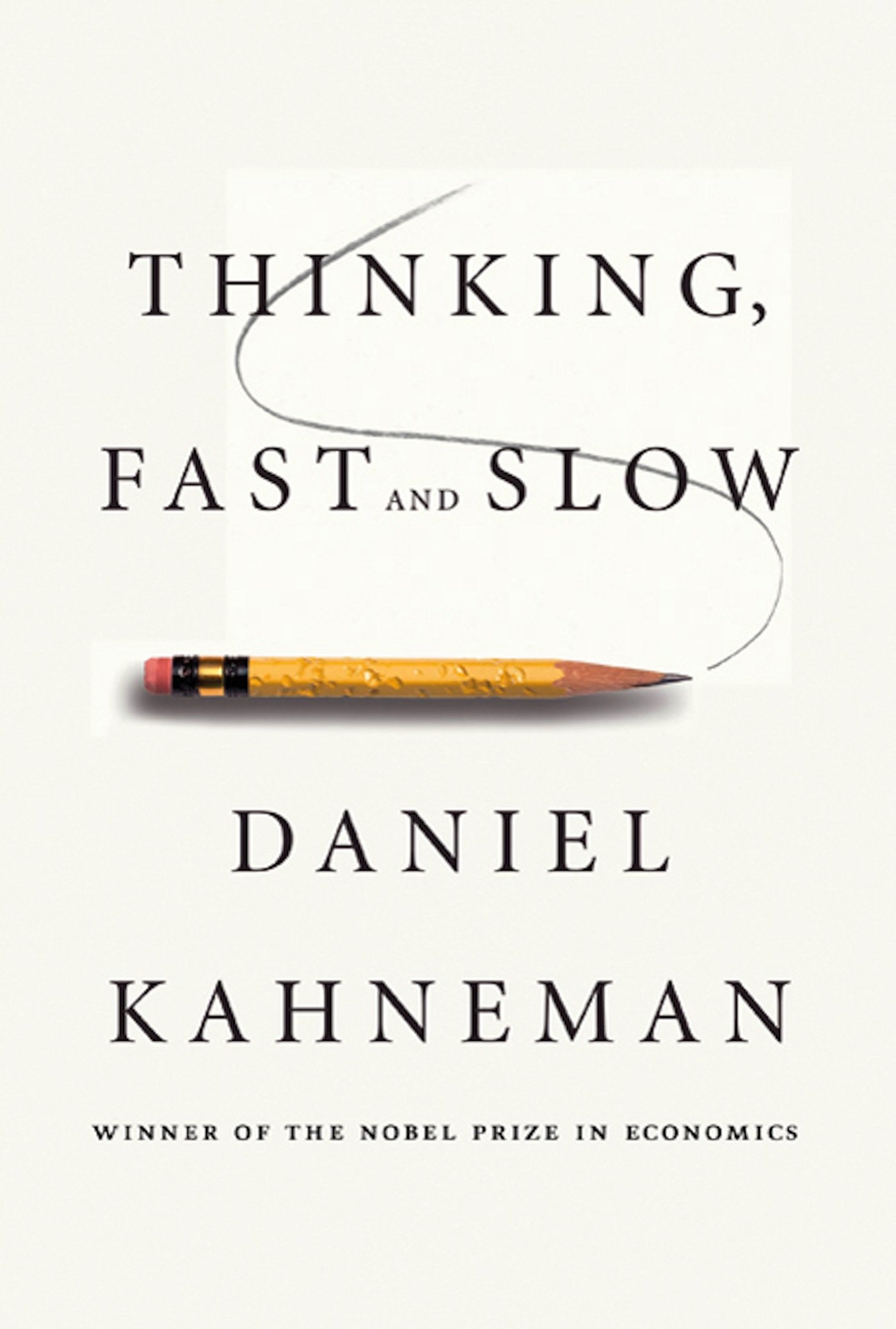
Sometimes I daydream about what my video might look like if I had started doing this years before, about what little details I took for granted then that I wouldn’t mind re-living now once more, even just in the form of a one-second clip: the empty pickle buckets we’d use as chairs and builds forts with at my fry cook job; the croon of the guy giving away A.M. NEW YOOOOOOORK inside Penn Station; the side streets I’d take home after high school so I could see the most autumn foliage possible.

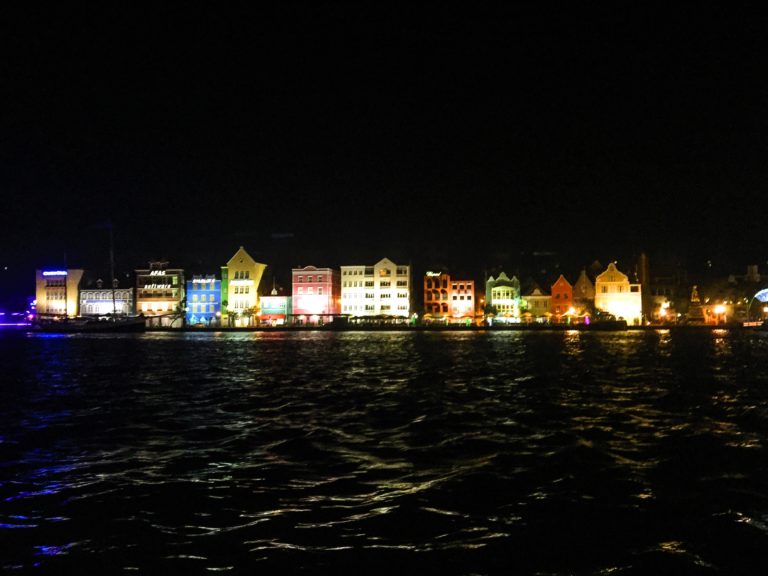
Even travel isn’t without its fair share of tame moments. Take the clip of me eating gelato on October 22, for instance. Despite it (in my opinion) being one of the more ‘boring’ clips I shot, from that one innocuous second alone I can remember:

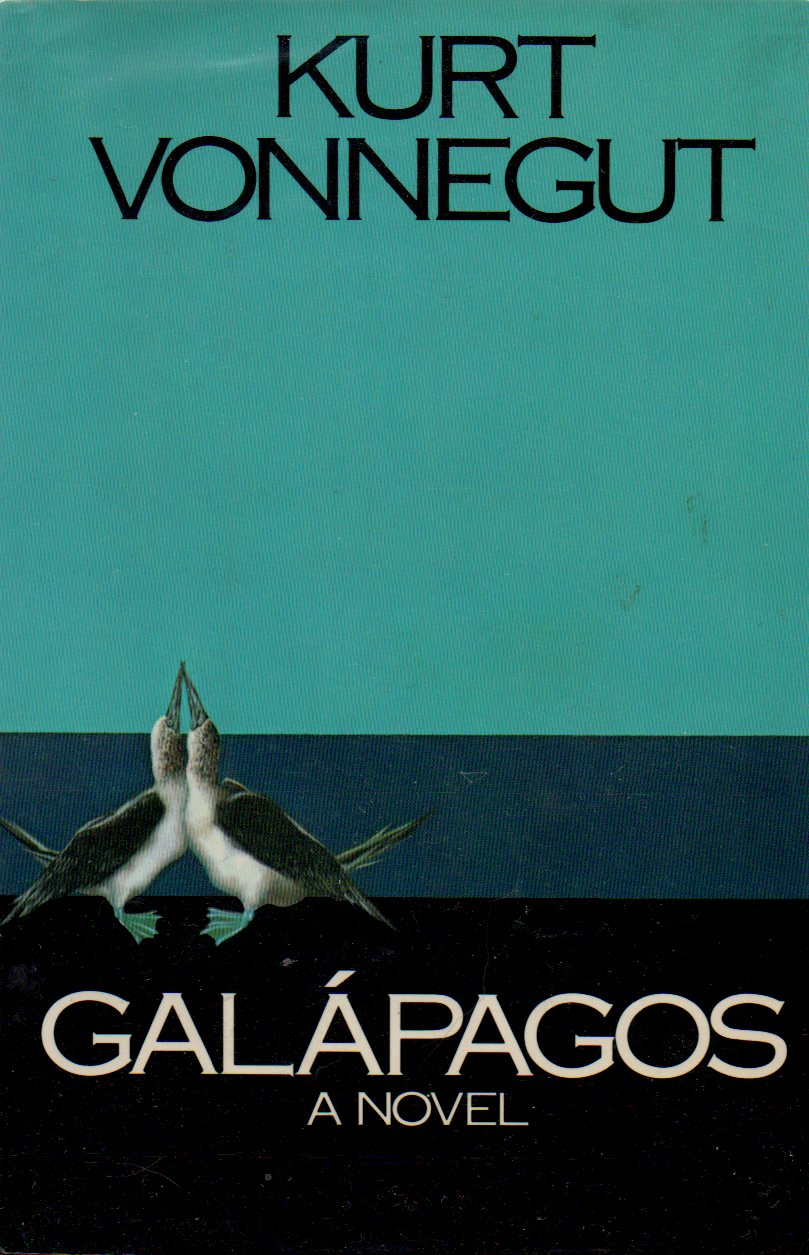
  • At the table seated next to me was what looked like a retired American marine (based on his build and hat) and his wife
  • A fluffy pooch was going from table to table asking for his own free samples
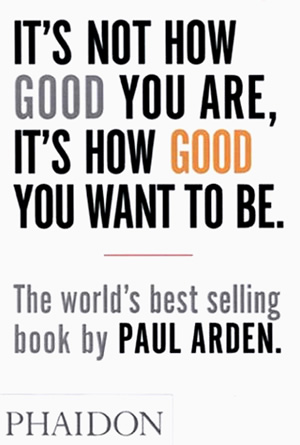
  • The owner of the place was setting up a keyboard in the corner of the shop, preparing to entertain his customers
  • That I was feeling kind of down and homesick that day
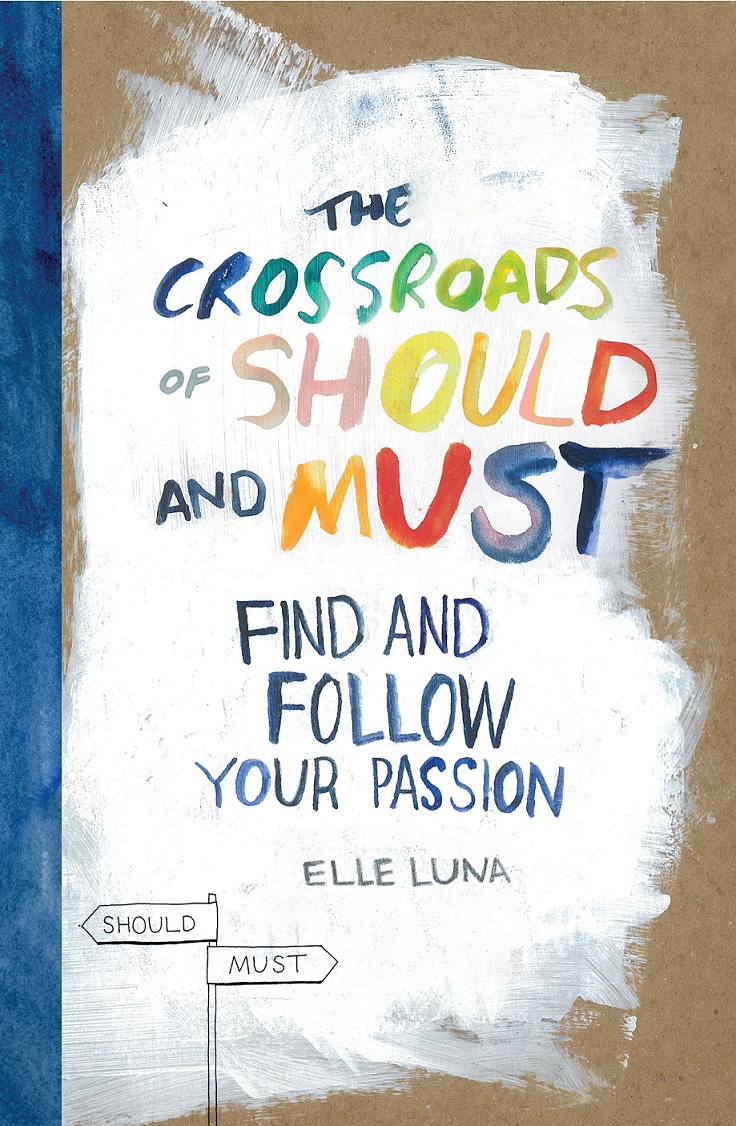
  • The teenage girl behind the counter was surprised that I ordered in Spanish

And so on. A picture could probably trigger all of that and more, but I feel that the “aliveness” of video adds an extra dimension to your memory that a picture never could.

You could argue that the mind already remembers whatever is worth remembering, but given how many perceived ‘brilliant’ ideas I’ve lost after neglecting to write them down, I personally have stopped trusting mine. I want to remember the minutiae, the trivial, and the easily-forgotten details that are both unique to my life, yet also help me relate with others in a way that makes them go, “that’s funny, I noticed or experienced that too!”

Life isn’t just the ends of the bell curve; it’s everything that lies in between as well. And any detail can become one worth reminiscing over if you put in the little amount of effort required, be it through journaling, 1SE, or something else.

42 Things I Learned From 21 Books In 2015

Also check out my lists from 2012, 2013, and 2014. Credit to this old post of Julien Smith’s for the idea. 

Every year I make it my goal to read at least 20 books, and thanks to ample travel time in 2015 I was able to hit that mark for the third year running.

As I read, I like to take notes in Evernote which can be anything from quotes, the main ideas of a chapter, to entire passages. I can then easily skim over these if I want to remind myself of a book’s message or if I need to find something I want to reference in my own writing.

It’s also fun for me every December to look back on these notes and share two of my favorite snippets or observations from each, and also possibly introduce to someone a new book they might enjoy. Text in italics is taken straight from the author:

Rework by Jason Fried

1. The real world isn’t a place, it’s an excuse. It’s a justification for not trying. It has nothing to do with you.
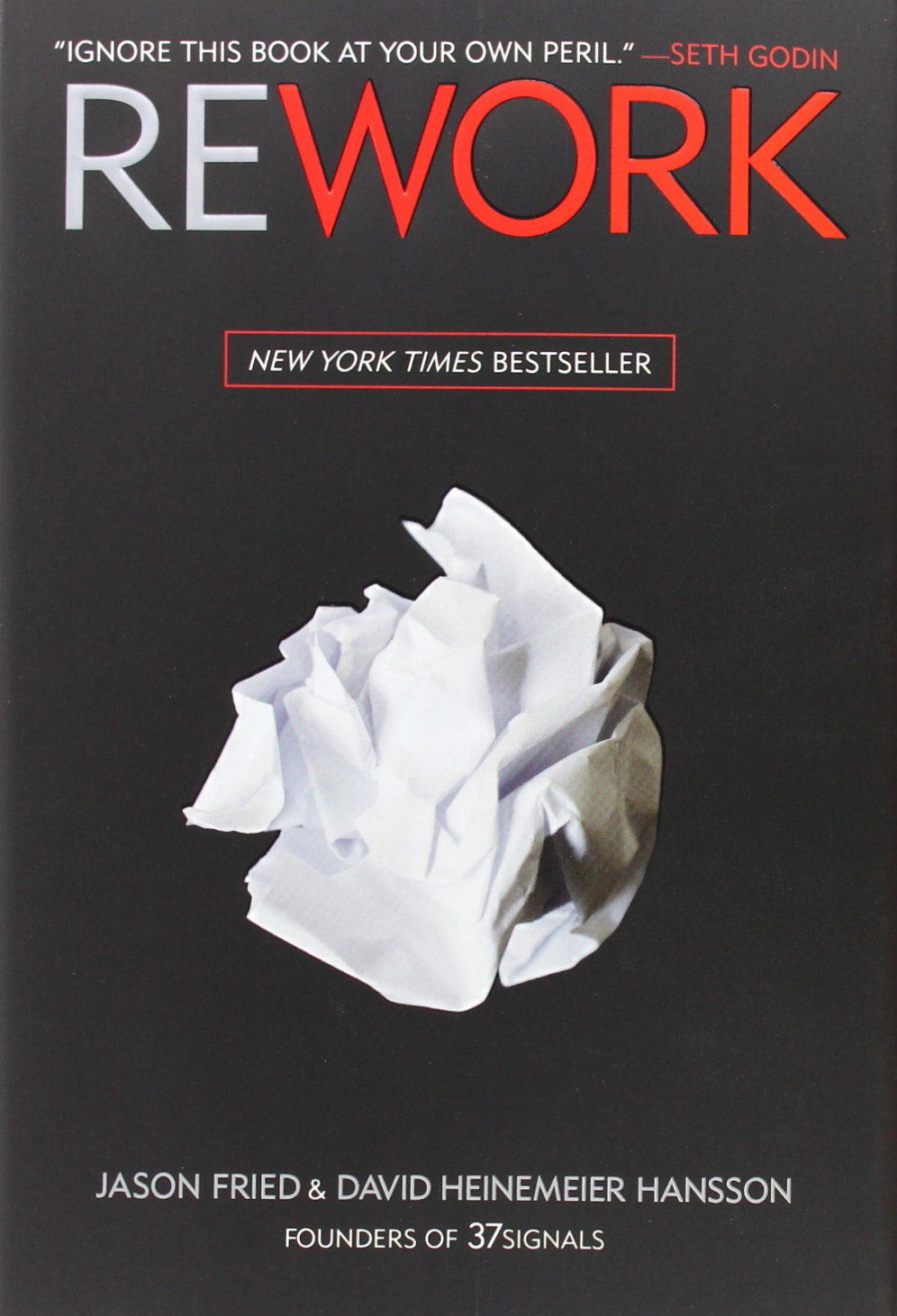
Rework

2. The startup is a magical place. It’s a place where expenses are someone else’s problem. It’s a place where that pesky thing called revenue is never an issue. It’s a place where you can spend other people’s money until you figure out a way to make your own. It’s a place where the laws of business physics don’t apply.

The problem with this magical place is it’s fairy tale. The truth is every business, new or old, is governed by the same set of market forces and economic rules. Revenue in, expenses out. Turn a profit or wind up gone.

Startups try to ignore this reality. They are run by people trying to postpone the inevitable, i.e., that moment when their business has to grow up, turn a profit, and be a real, sustainable business.

The Alchemist by Paulo Coehlo

3. Everyone seems to have a clear idea of how other people should lead their lives, but none about his or her own.
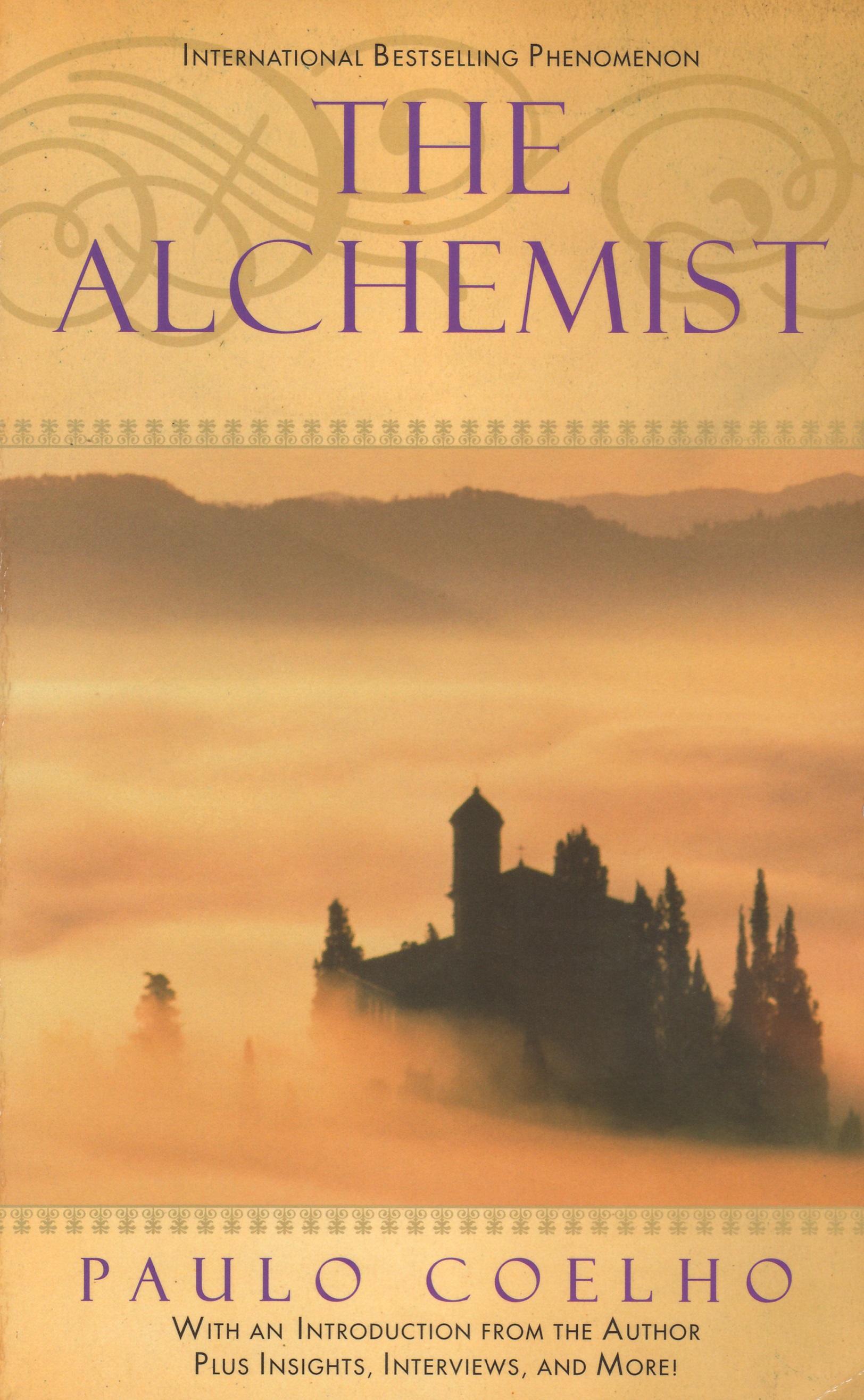
the-alchemist

4. Now that I see how immense my possibilities are, I’m going to feel worse than I did before you arrived. Because I know the things I should be able to accomplish, and I don’t want to do so.

Redefine Yourself by Michael Moody

 5. Editing a book  is every bit as exhausting, exciting, and rewarding as writing one is.
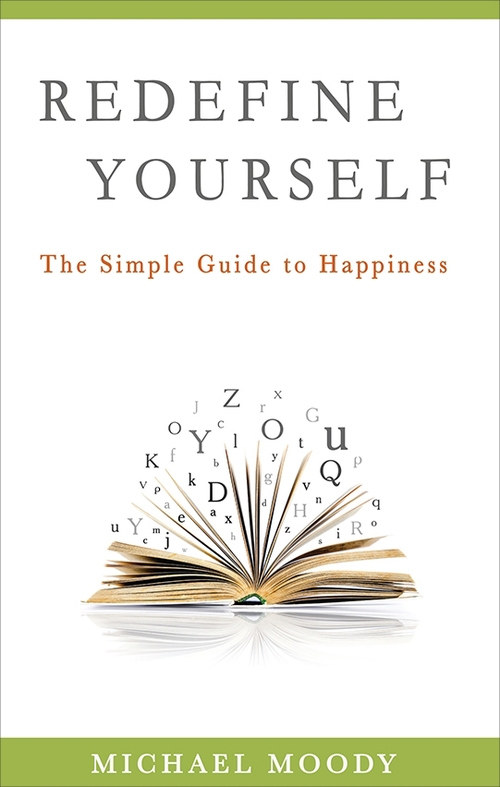
Redefine

 6. When changing a habit, most people try to erase the whole formula and completely remove themselves from the habit (not just the bad routine but the cue and reward as well). Unfortunately, the reward and cue are too ingrained in us to simply extinguish. Even if we try to escape it, there may always be something in our environment that triggers your routine. We need to insert a new routine, keep the old cue and deliver the old reward. 

Love In The Time Of Cholera by Gabriel Garcia Marquez

7. One night she came back from her daily walk stunned by the revelation that one could be happy not only without love, but despite it.

marquez

8. He was still too young to know that the heart’s memory eliminates the bad and magnifies the good, and that thanks to this artifice we manage to endure the burden of the past. But when he stood at the railing of the ship… only then did he understand to what extent he had been an easy victim to the charitable deceptions of nostalgia.

The Art of Travel by Alain de Botton

9. Nowhere is the appeal of the airport more concentrated than in the television screens that hang in rows from the terminal ceilings to announce the departure and arrival of flights, whose absence of aesthetic self-consciousness and whose workmanlike casing and pedestrian typefaces do nothing to disguise their emotional charge and imaginative allure. Tokyo, Amsterdam, Istanbul; Warsaw, Seattle, Rio…

The constant calls of the screens, some accompanied by the impatient pulsing of a cursor, suggest with what ease our seemingly entrenched lives might be altered were we simply to walk down a corridor and onto a craft that in a few hours would land us in a place of which we had no memories and where no one know our name. How pleasant to hold in mind through the crevasses of our moods, at three in the afternoon… that there is always a plane taking off for somewhere, for Baudelaire’s ‘anywhere! anywhere!’: Trieste, Zurich, Paris.
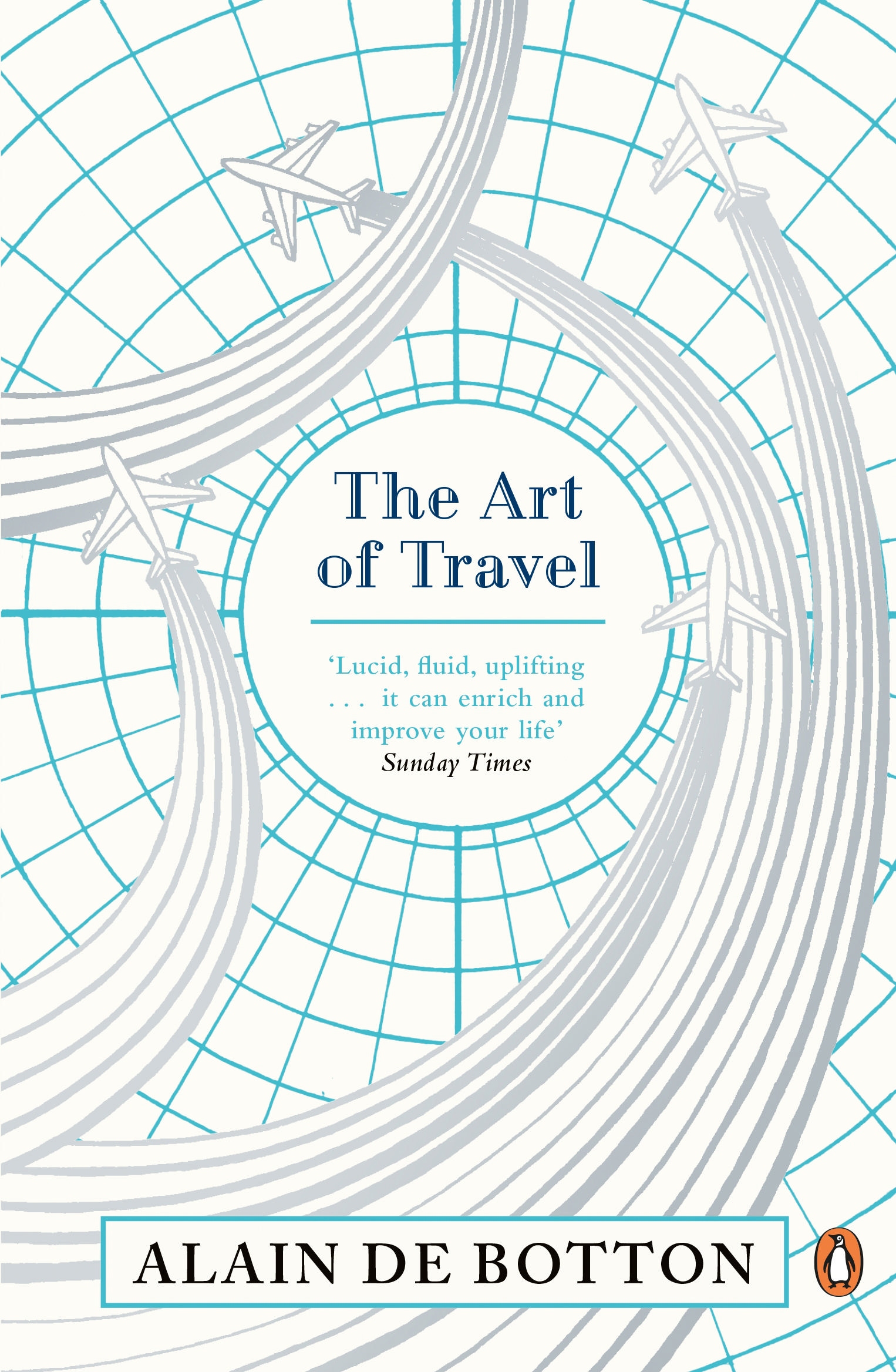
artoftravel

10. Why be seduced by something as small as a front door in another country? Why fall in love with a place because it has trams and its people seldom have curtains in their homes? However absurd the intense reactions provoked by such small (and mute) foreign elements may seem, the pattern is at least familiar from our personal lives.

There, too, we may find ourselves anchoring emotions of love on the way a person butters his or her bread, or recoiling at his or her taste in shoes. To condemn ourselves for these minute concerns is to ignore how rich in meaning details may be.

William Shakespeare’s Star Wars by Ian Doescher

(Who knew I would have such an affinity toward a modern adapation of something written in old English…)

11. [They shoot, Greedo dies.

[To innkeeper:] Pray, goodly Sir, forgive me for the mess.

[Aside:] And whether I shot first, I’ll ne’er confess! [Exeunt.”

Shakespeare_SW

12. Trooper: I prithee, speak, how long has thou these droids?

Luke: ‘Tis three, or mayhap four full seasons now.

Obi-Wan: We are prepar’d to sell them, should thou wish.

Trooper: Pray, show me now thy papers.

Obi-Wan: –Nay, thou dost

Not need to see his papers.

Trooper: –Nay, we do

Not need to see his papers.

Obi-Wan: True it is,

That these are not the droids for which thou search’st.

Thinking, Fast and Slow by Daniel Kahneman

13. If you care about being thought credible and intelligent, do not use complex language where simpler language will do. My Princeton colleague Danny Oppenheimer refuted a myth prevalent among undergraduates about the vocabulary that professors find most impressive. In an article titled “Consequences of Erudite Vernacular Utilized Irrespective of Necessity: Problems with Using Long Words Needlessly,” he showed that couching familiar ideas in pretentious language is taken as a sign of poor intelligence and low credibility.
thinking

14. Mutual funds are run by highly experienced and hard-working professionals who buy and sell stocks to achieve the best possible results for their clients. Nevertheless, the evidence from more than 50 years of research is conclusive: for a large majority of fund managers, the selection of stocks is more like rolling dice than like playing poker. At least two out of every three mutual funds underperform the overall market in any given year.

More important, the year-to-year correlation among the outcomes of mutual funds is very small, barely different from zero. The funds that were successful in any given year were mostly lucky; they had a good roll of the dice. There is general agreement among researchers that this is true for nearly all stock pickers, whether they know it or not — and most do not. The subjective experience of traders is that they are making sensible, educated guesses in a situation of great uncertainty. In highly efficient markets, however, educated guesses are not more accurate than blind guesses.

Galapagos by Kurt Vonnegut

15. Vonnegut invented the iPad and the internet before either existed (and featured it in this book).
Galapagos
16. “For some people, getting pregnant is as easy as catching cold.” And there certainly was an analogy there: colds and babies were both caused by germs which loved nothing so much as a mucous membrane.

It’s Not How Good You Are, It’s How Good You Want To Be by Paul Arden

17. Do not put your cleverness in front of the communication.
HowGood

18. Do not try to win awards. Nearly everybody likes to win awards…they create glamour and glamour creates income. But beware. Awards are judged in committee by consensus of what is known. In other words, what is in fashion. But originality can’t be fashionable, because it hasn’t as yet had the approval of the committee. Do not try to follow fashion. Be true to your subject and you will be far more likely to create something that is timeless. That’s where the true art lies.

The Crossroads of Should and Must by Elle Luna

19. Picasso had incredible talent, but the secret to his genius was this—Picasso’s life blended seamlessly with his work: What he did was what he was. What he did was what he was.

What if who we are and what we do become one and the same? What if our work is so thoroughly autobiographical that we can’t parse the product from the person? What if our jobs are our careers and our callings? In this place, job descriptions and titles no longer make sense; we no longer go to work, we are the work.
The-Crossroads-of-Should-and-Must

20. So now what?

Just get up and work every day?

Yes.

Alone?

Most likely.

For what?

Unclear.

For whom?

Yourself.

For how long?

No one knows.

Why?

Because you’ve got to.

But what if I fail?

You will.

And then what?

You get to decide if you keep doing this.

Is this a bad idea?

There’s no such thing.

But what if it’s horrible?

Stop doubting. Start doing.

Will we have this conversation again tomorrow?

If you wish.

Where does it all lead?

Grab the nearest tool. Work. And in time, you will know.

The Tipping Point by Malcolm Gladwell

21. Part of the appeal of Jim Henson and the Muppets to the show’s creators, in fact, was that in the 1960s Henson had been running a highly successful advertising shop. Many of the most famous Muppets were created for ad campaigns: Big Bird is really a variation of a seven foot dragon created by Henson for La Choy commercials; Cookie Monster was a pitchman for Frito Lay; Grover was used in promotional films for IBM.
THE-TIPPING-POINT_BOOK1

22. When two people talk, their volume and pitch fall into balance. What linguists call speech rate—the number of speech sounds per second—equalizes. So does what is known as latency, the period of lime that lapses between the moment one speaker stops talking and the moment the other speaker begins. Two people may arrive at a conversation with very different conversational patterns.

But almost instantly they reach a common ground. We all do it, all the time. Babies as young as one or two days old synchronize their head, elbow, shoulder, hip, and foot movements with the speech patterns of adults. Synchrony has even been found in the interactions of humans and apes. It’s part of the way we are hardwired.

The Financial Lives of the Poets by Jess Walter

23. I glance over at Jamie. He is unflappable, never looks confused, but also never seems to entirely grasp what is going on around him. Maybe he should be a writer.

Poets

24.  He is at least 80 pounds lighter. The suburban sprawl that used to spill over his substantial belt has been zoned out of existence, and standing in front of me is a guy in size 33 Wranglers, craggy, gaunt and gray, like one of those aging Grand Ole Opry stars right before they die of lung cancer.

Essentialism by Greg McKeown

25. An editor is ruthless in making every word count. Instead of saying it in two sentences, can you say it in one? Is it possible to use one word where two are currently being used? There are two basic questions the editor should be addressing to the author: “Are you saying what you want to say?” and, “Are you saying it as clearly and concisely as possible?”
essentialism

26. What if businesses eliminated meaningless meetings and replaced them with space for people to think and work on their most important projects? What if employees pushed back against timewasting e-mail chains, purposeless projects, and unproductive meetings so they could be utilized at their highest level of contribution to their companies and in their careers? What if society stopped telling us to buy more stuff and instead allowed us to create more space to breathe and think? What if society encouraged us to reject what has been accurately described as doing things we detest, to buy things we don’t need, with money we don’t have, to impress people we don’t like?

What if we stopped being oversold the value of having more and being undersold the value of having less? What if we stopped celebrating being busy as a measurement of importance? What if instead we celebrated how much time we had spent listening, pondering, meditating, and enjoying time with the most important people in our lives?

Escape Plan: Working on the Road by Nora Dunn

27. Traveling full-time can actually cost far less than it does to live in one place. This is due to a number of cost-saving factors, ranging from volunteering/working in trade for free accommodation, to using frequent flyer miles, spending time in places where the cost of living is cheaper (sometimes), and judiciously monitoring your spending (by not playing the tourist and treating your lifestyle as a vacation with tours, buying souvenirs, and other vacation-centric activities). 

In general, you will find that the faster you travel, the more money you’ll spend, and the less time you’ll have to balance your work requirements with soaking in the ever-changing sights.
escape plan
28. I carry a USB stick at all times with my pertinent information on it. Not only do I have digital photos of all my identification, but I also have important phone numbers, banking information, and passwords. It’s all encrypted, so if the USB stick goes missing, nobody can access this information without the master password.

Not only that, but I carry the USB stick in a special small pocket underneath my clothing, along with some local currency. It is a true last resort in case I lose absolutely everything.

Be Here Now by Jason Fried

29. So: I can do nothing for you but work on myself…you can do nothing for me but work on yourself!
BeHEreNow

30. And you finally understand, the message you communicate with another human being has nothing to do with what you say, it has nothing to do with the look of the musculature of your face, it’s much deeper than that. MUCH DEEPER!

IT’S THE VIBRATIONS THAT EMANATE FROM YOU

If your vibrations are paranoid, that’s what’s being received. And when you’re around pets (birds or cats particularly) or very young children or very flipped out psychotics they will know you immediately you can come and say ‘hello dear, how are you?’ and the dog will growl….you can’t come on because they’re listening to the vibrations that hand is reaching out and sending.

And then you realize:

That every moment you are being a full statement of your being, and you’re sending out vibrations that are affecting everything around you, which in turn is affecting everything that comes back. And when you meet somebody who is caught in the world of WE and THEM, and you are HIM to that person and you get caught in his mindset, you are both just intensifying one another’s paranoia

Trust Me, I’m Lying by Ryan Holiday

31. Here’s the cycle again:

  • Political blogs need things to cover; traffic increases during election
  • Reality (election far away) does not align with this
  • Political blogs create candidates early; move up start of election cycle
  • The person they cover, by nature of coverage, becomes actual candidate (or president)
  • Blogs profit (literally), the public loses

It’s bloggers informing bloggers informing bloggers all the way down. This isn’t anecdotal observation. It is fact. In a media monitoring study done by Cision and George Washington University, 89 percent of journalists reported using blogs for their research for stories. Roughly half reported using Twitter to find and research stories, and more than two thirds use other social networks, such as Facebook or LinkedIn, in the same way.
trustme

32. You cannot have your news instantly and have it done well. You cannot have your news reduced to 140 characters or less without losing large parts of it. You cannot manipulate the news but not expect it to be manipulated against you. You cannot have your news for free; you can only obscure the costs.

If as a culture we can learn this lesson, and if we can learn to love the hard work, we will save ourselves much trouble and collateral damage. We must remember: There is no easy way.

Night Flight by Antoine de Saint-Exupery

33. “And yet,” Riviere observed on a subsequent occasion, “even though human life may be the most precious thing on earth, we always behave as if there were something of higher value than human life …. But what thing?”

NightFlight

34. “I tell you, Robineau, in life there are no solutions. There are only motive forces, and our task is to set them acting–then the solutions follow.”

The Outsiders by S.E. Hinton

35. It’s pronounced “so-sh” and not “sock” (like I was reading it in my head).
TheOutsiders

36. Not all books I missed out on in high school are worth going back and reading.

Eats, Shoots & Leaves by Lynne Truss

37. In humorous writing, the exclamation mark is the equivalent of canned laughter (F. Scott Fitzgerald – that well-known knockabout gag-man – said it was like laughing at your own jokes)
EatsShoots

38. James Thurber was once asked by a correspondent: “Why did you have a comma in the sentence, “After dinner, the men went into the living-room?” And his answer was probably one of the loveliest things ever said about punctuation. “This particular comma,” Thurber explained, “was Ross’s way of giving the men time to push back their chairs and stand up.”

The Way of the Superior Man by David Deida

39. It’s easy to feel disappointed by life; success is never as fulfilling as you think it is going to be. But there is a reason for this. Successfully completing a lesser purpose doesn’t feel very good for very long, because it is simply preparation for advancing toward a greater embodiment of your deeper purpose. Each purpose, each mission, is meant to be fully lived to the point where it becomes empty, boring, and useless. Then it should be discarded. This is a sign of growth, but you may mistake it for a sign of failure.
superiorman
40. Every man knows that his highest purpose in life cannot be reduced to any particular relationship. If a man prioritizes his relationship over his highest purpose, he weakens himself, disserves the universe, and cheats his woman of an authentic man who can offer her full, undivided presence.

The Zahir by Paulo Coehlo

41. Freedom is not the absence of commitments, but the ability to choose–and commit myself to–what is best for me.

thezahir

42. I hear the applause, the theater is packed. I’m about to do the one thing that always gives me sleepless nights, I’m about to give a lecture.

The master of ceremonies begins by saying that there’s no need to introduce me, which is a bit much really, since that’s what he’s there for and he isn’t taking into account the possibility that there might be lots of people in the audience who have simply been invited along by friends.

Despite what he says, however, he ends up giving a few biographical details and talking about my qualities as a writer, the prizes I’ve won, and the millions of books I’ve sold.

He thanks the sponsors, turns to me, and the floor is mine. I thank him too. I tell the audience that the most important things I have to say are in my books, but that I feel I have an obligation to my public to reveal the man who lies behind those words and paragraphs.

I explain that our human condition makes us tend to share only the best of ourselves, because we are always searching for love and approval. My books, however, will only ever be the mountaintop visible in the clouds or an island in the ocean: the light falls on it, everything seems to be in its place, but beneath the surface lies the unknown, the darkness, the incessant search for self.

I describe how difficult it was to write A Time to Rend and a Time to Sew, and that there are many parts of the book which I myself am only beginning to understand now, as I reread it, as if the created thing were always greater and more generous than its creator.

I say that there is nothing more boring than reading interviews or going to lectures by authors who insist on explaining the characters in their books: if a book isn’t selfexplanatory, then the book isn’t worth reading. When a writer appears in public, he should attempt to show the audience his universe, not try to explain his books; and in this spirit, I begin talking about something more personal.

“Some time ago, I was in Geneva for a series of interviews. At the end of a day’s work, and because a woman friend I was supposed to have supper with canceled at the last minute, I set off for a stroll around the city. It was a particularly lovely night, the streets were deserted, the bars and restaurants still full of life, and everything seemed utterly calm, orderly, pretty, and yet suddenly…suddenly I realized that I was utterly alone.

“Needless to say, I had been alone on other occasions during the year. Needless to say, my girlfriend was only two hours away by plane. Needless to say, after a busy day, what could be better than a stroll through the narrow streets and lanes of the old city, without having to talk to anyone, simply enjoying the beauty around me. And yet the feeling that surfaced was one of oppressive, distressing loneliness—not having someone with whom I could share the city, the walk, the things I’d like to say.

“I got out my cell phone; after all, I had a reasonable number of friends in the city, but it was too late to phone anyone. I considered going into one of the bars and ordering a drink; someone was bound to recognize me and invite me to join them. But I resisted the temptation and tried to get through that moment, discovering, in the process, that there is nothing worse than the feeling that no one cares whether we exist or not, that no one is interested in what we have to say about life, and that the world can continue turning without our awkward presence.

“I began to imagine how many millions of people were, at that moment, feeling utterly useless and wretched—however rich, charming, and delightful they might be—because they were alone that night, as they were yesterday, and as they might well be tomorrow. Students with no one to go out with, older people sitting in front of the TV as if it were their sole salvation, businessmen in their hotel rooms, wondering if what they were doing made any sense, women who spent the afternoon carefully applying their makeup and doing their hair in order to go to a bar only to pretend that they’re not looking for company; all they want is confirmation that they’re still attractive; the men ogle them and chat them up, but the women reject them all disdainfully, because they feel inferior and are afraid the men will find out that they’re single mothers or lowly clerks with nothing to say about what’s going on in the world because they work from dawn to dusk to scrape a living and have no time to read the newspapers. People who look at themselves in the mirror and think themselves ugly, believing that being beautiful is what really matters, and spend their time reading magazines in which everyone is pretty, rich, and famous. Husbands and wives who wish they could talk over supper as they used to, but there are always other things demanding their attention, more important things, and the conversation can always wait for a tomorrow that never comes.

“That day, I had lunch with a friend who had just got divorced and she said to me: ‘Now I can enjoy the freedom I’ve always dreamed of having.’

But that’s a lie.

No one wants that kind of freedom: we all want commitment, we all want someone to be beside us to enjoy the beauties of Geneva, to discuss books, interviews, films, or even to share a sandwich with because there isn’t enough money to buy one each. Better to eat half a sandwich than a whole one. Better to be interrupted by the man who wants to get straight back home because there’s a big game on TV tonight or by the woman who stops outside a shop window and interrupts what we were saying about the cathedral tower, far better that than to have the whole of Geneva to yourself with all the time and quiet in the world to visit it.

“Better to go hungry than to be alone. Because when you’re alone—and I’m talking here about an enforced solitude not of our choosing—it’s as if you were no longer part of the human race.

“A lovely hotel awaited me on the other side of the river, with its luxurious rooms, its attentive employees, its five-star service. And that only made me feel worse, because I should have felt contented, satisfied with all I had achieved.

“On the way back, I passed other people in the same situation and noticed that they fell into two categories: those who looked arrogant, because they wanted to pretend they had chosen to be alone on that lovely night, and those who looked sad and ashamed of their solitary state.

“I’m telling you all this because the other day I remembered being in a hotel room in Amsterdam with a woman who was talking to me about her life. I’m telling you all this because, although in Ecclesiastes it says there is a time to rend and a time to sew, sometimes the time to rend leaves deep scars. Being with someone else and making that person feel as if they were of no importance in our life is far worse than feeling alone and miserable in the streets of Geneva.”

There was a long moment of silence before the applause.

How To Buy A Job Interview For $3

“If you don’t have the confidence to ask, you will never have the confidence to convince.”

–Amit Kalantri

Applying for jobs is like a role-playing game.

It feels colossal, never-ending, overly-complicated, and while you may know some of the rules, ultimately in the end you are at the mercy of a faceless (and sometimes seemingly unfair) “dungeon master” who decides if you meet enough of the secret criteria in order to win the privilege of advancing into the next room.

And perhaps the biggest “injustice” of the game is that you could be the perfect person for the next room in every way, but for a variety of reasons (you don’t live close enough to the room, you get lost in the crowd of all the other people wanting to get into the room, they don’t like how your character’s name sounds), you could never be given real consideration.

But like all good games, this is one that can be cheated hacked, freeing you to advance to the next level more than one way.

Someone once told me “very few people get their jobs through ‘orthodox’ means,” as in, just applying for a job through an online form, then waiting around for a call or an email. Typically you know someone, know someone who knows someone, or have done something else outside the status quo as a way to “stand out” or otherwise connect with the person calling the hiring shots.

So what if you could manufacture your own connection and possibly turn it into a job interview (with no brown envelopes involved)?

Would you be willing to pay the price of a cup of coffee for it?

I can’t guarantee that the following will work, only that 1) you will stand out; 2) it has worked for me in the past; and 3) there’s virtually no downside to trying.

How To Buy A Job Interview For $3

After tireless searching in your blogger slacks or during working hours at your current job, you have found and applied for your dream position. But with no contacts within the organization, what else can you do to secure yourself an interview? Ask for one.

If you can, figure out who would be your manager or boss if you were to land the position. Often, this person is listed within the job description itself. A staff directory on the website or even LinkedIn can also be great places to figure out managerial hierarchy.Quotefancy-2668-3840x2160

If that’s not doable, see if you can find an email for a member of HR. Larger companies are obviously going to have larger departments—in those cases maybe don’t shoot for the head HR honcho, but possibly someone on the lower end of the food chain that could possibly be one of the first to review incoming applications.

Whoever’s email you can get your hands on, they will be your point of contact for your ask. Even if you ‘miss’ and your email ends up with someone that has nothing to do with hiring for your desired position, chances are it will still get forwarded along to the appropriate party.

The Ask

So while this is a ‘cold’ email, it’s language needn’t be also.

Using a warm and friendly (yet professional) tone, construct an email that:

1. Expresses who you are, that you applied to X position with heavy interest, and briefly (this should not be cover letter part deux) state why you think you’d be a great fit for the position.

2. Acknowledges what you are doing is a little unconventional.

3. Includes an offer to buy the person a cup coffee for the chance to introduce yourself and talk about the job for 20 minutes. Give a range of specific days and times that could work.

4. Acknowledges again your understanding that these things typically have procedures that need to be followed, and that you understand if such a meeting isn’t possible for whatever reason.

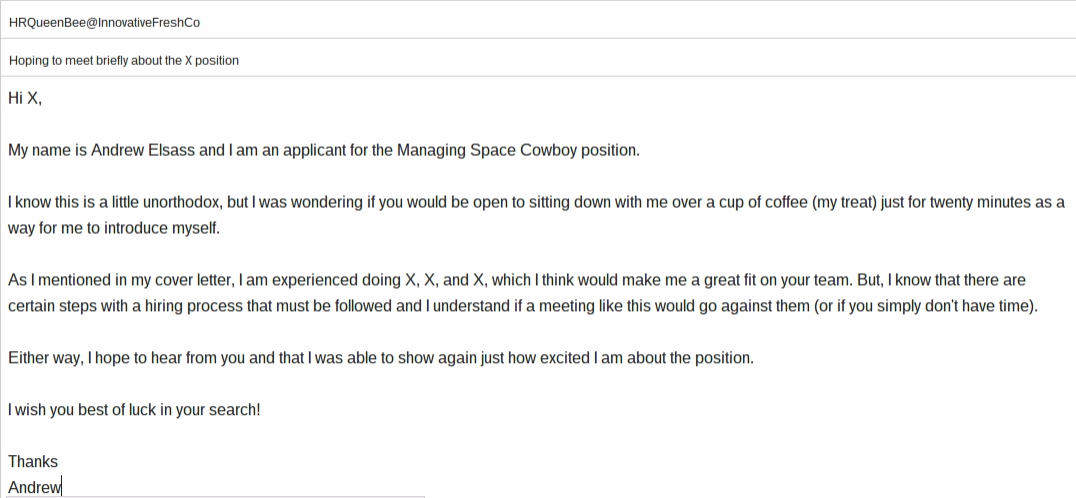
So following these guidelines, our breezy email could look something like:

(I advise not copying this text directly for the same reason I screenshotted it—to keep it off search engines and not relegate it to being a standard yet ultimately meaningless practice akin to post-interview thank you notes)

Why It Can Work

There are a few things engineered into this type of request:

It shows confidence and “realness”: By being straightforward, self-aware, and acknowledging that what you are doing is unconventional, it not only shows that you are a bold person, but more importantly a bold person with tact. And emotional intelligence is all the rage in hiring circles these days.

…but you are showing all that, not saying it: thus exuding more about your character than you could likely ever communicate on a resume or cover letter.

You gave a time frame: Twenty minutes is nothing. Everyone has 20 minutes for something, even if it’s enduring someone talking about themselves, in our case. The pressure is off the other person, knowing that if the conversation is a total tire fire they can escape before they even finish their coffee. If you are really bold/confident/desperate, reduce your proposal to 10 or 15 minutes. And going back to point number one, it displays empathy toward their valuable time.

There’s value in it for them (besides free coffee): Sub-communicated through all this is the possibility of saving HR a fair amount of time and paperwork: if they don’t like you over coffee, then they probably won’t bring you in for an interview.

And, in my corporate experience, everyone is always looking for an excuse to escape the office for a coffee meeting.

How I Did This Successfully (With A Small White Lie) To Land My Last Job

Flash back to January 2013—after my New York internship I was living again at my parents house, working weddings at a country club, barista-ing early mornings, and doing pro bono social media work for an upstart brewpub. I had just written and published How To Get A Job In Sports PR and was still riding that first self-publishing high, waiting for the riches to roll in, $1.99 at a time.

In other words, I was in career purgatory, dragging my feet about doing the inevitable and going to work in an office again, at least for a little while.

Soon after, I received an email from an NYC friend that had recently landed a job in Colorado. Knowing me too well, he prefaced his letter with something like “I know you don’t necessarily want to work in sports anymore, but take a look at this opening we have…I think it sounds like you.” 

Setting aside my cubicle prejudices for a moment, I took a look and he was right. It was an opportunity to both do things I enjoy and to develop additional skills (like public speaking), as well as a chance to live someplace that seemed like it was the median of Ohio and New York City. Ready for any kind of out from my parents’ house (and to a place where a good friend already lived), I was all in.

However, not having an in-state zip code on my resume, I was worried I would be overlooked for more local candidates if I just applied through traditional means (something that I found out later is usually the case) and relied on my friend’s recommendation (since he was still new at the organization).

That’s when some good (albeit unconventional) advice and fortune fell into my lap.

My brother happened to have a spare airline buddy pass that needed to be used, and he also suggested the following:

Send your would-be boss a follow up email about your application, and say it just so happens that you’re actually going to be in town for a week visiting some people. Offer to just buy them a cup of coffee if they’re willing to just sit down for 20 minutes and chat about the job. If they say yes, book your ticket, fly out there, have fun with your friend, and kick ass at the interview. fingerscrossed

Lo and behold, the response I got was something akin to: “Well since you are going to be in town, let’s just go ahead and bring you in for an interview.”

While I was far from the most qualified person for the job on paper, I guess they liked the passion, interest, and potential that I put forth in the interview, and I got the position. This is entirely speculatory, but it’s possible that my coffee email communicated these things too, albeit in a very minute way.

A lot of cogs admittedly need to fall into place for this to work (I would not have been able to afford a short-notice, cross-country plane ticket without the buddy pass, and I would have been screwed if my future boss tried to change times on me at the last minute), but the upside was tremendous and the downside practically non-existent.

Disclaimers, Stipulations, And Other Things To Keep In Mind

This obviously won’t work if your experience is completely irrelevant to the job or you are extremely under-qualified: it’s not a magic bullet that will gloss over any flaws or holes that exist on your resume or cover letter (assuming you actually included the latter and it didn’t suck). But if you do get the yes, prepare for it like an actual interview. For all intents and purposes, it is. Dress respectably, do your research about the position and the company, bring questions and a spare resume.

More often than not, the smaller the company, the more casual and open-minded they are likely to be about a request like this. Hell, if it’s a startup you are applying for, they might just have you drop by a coffee shop or co-working space they normally work from anyway.

Regardless, the easier you make this potential meeting for them to carry out, the harder it will be to say no to. Offer up a wide (yet specific) range of dates and times. If you get a yes, they may just instruct you on where to meet, but if not, be sure to pick a place near their office.

Finally, if you are looking to do this for a non-local job (as I did) you could potentially be buying an expensive plane ticket on extremely short notice if you don’t have passes or points to spare. Being at least a little comfortable with half-lying about your plans while you are in town is also somewhat of a pre-requisite (in my defense I probably would have used the buddy pass to visit my friend anyway).

And oh yeah, actually pay for their coffee.

And If It Doesn’t Work

I literally can’t think of a drawback to trying this (other than spending a lot of money in the long-distance scenario).

Ultimately—and if this sounds too millenial-ese, I don’t care—if an employer would rule you out for trying something unconventional and ‘outside the box’ (how ironic is it that that’s a cliche in itself now?), that’s probably a workplace with very antiquated rules and attitudes, and you are better off not wasting your time pursuing employment with them.

And really, you’d just be right back where you started. Searching for a job, attempting to stand out, and trying get yourself into that room.

Things People Say When You Quit Your Job To Travel

Things People Say When You Quit Your Job To Travel

“Quitting, for me, means not giving up, but moving on; changing direction not because something doesn’t agree with you, but because you don’t agree with something. It’s not a complaint, in other words, but a positive choice, and not a stop in one’s journey, but a step in a better direction. Quitting—whether a job or a habit—means taking a turn so as to be sure you’re still moving in the direction of your dreams.”

—Pico Iyer

In August 2015, I was able to finally pull the trigger on something I had been dreaming about for the past three years: quitting my office job in order to travel and write.

I am now drafting this post on a bus ride through the Panamanian countryside, the first week of about 12 I will spend outside “the States” (as I am learning to say); also my first time outside of my mother country, period.

So far, it’s been everything I hoped, and I have zero regrets about the decision. As of now I don’t really have any sort of concrete plan on what I will do upon my return to the U.S. in January. While I hope freelancing can continue to support me full time, it’s entirely possible I could be a 27-year old living back in my parents’ basement, but already I have made some memories and friends that I wouldn’t trade for anything.

The Hardest Part

Yet despite of what many in the “blindly follow your passion crowd” will tell you, this wasn’t the easiest thing in the world to do. Worth it? Definitely. Easy? Not the word I would use.

For every blog post (hell, book) written about how to “just quit and follow your dreams already”, an equal amount of words could be written for the burdens that come along with such an act. The planning (admittedly exciting, but also a pain at times), the logistics, the shopping, the packing and re-packing, the saying bye…and trying to explain to people “why”.

Even though I consider myself to be an extremely independent (some might even say bullheaded) person, the hardest part of this process was not quitting my great job, saying bye to my girlfriend, friends, and family, getting rid of a large chunk of my possessions, or moving to a country where I barely spoke the language (though all tough in their own right).

Instead, it was simply a fear of how others would respond.

Thick Skin Is Still Permeable

And I don’t mean this necessarily in an approval-, permission-seeking kind of way; great books like The Art of Non-Conformity and The Happiness of Pursuit have conditioned me enough to know that usually (definitely not always), if you are getting shallow opposition to a big idea or life change, then it’s usually a sign that you are on the right course.

But with everything that must be done for an endeavor like this, receiving opposition (rational or not) from friends and family that you feel like should be supporting you unconditionally can make for an exhausting experience.

In the months leading up to buying my ticket or even deciding what country I wanted to go to first, I was an almost daily visitor to reddit’s r/solotravel board. There I was finding answers to any question I could possibly have about backpacking abroad and alone, what gear I needed, what to look for in a hostel, how to go to Thailand as a single male and not be accused of sex tourism, and most importantly, affirmation and inspiration that I too could go on a trip like this.

Despite building up (what I thought) was pretty thick skin, I kept my plans close to my chest for a long time. I simulated scenarios in my head about what I would say in response to reactions I anticipated hearing such as:

  • “You’re throwing your career away.”
  • “You’re going to be so lonely, there’s no way you’ll make it three months.”
  • “You really don’t like living here that much?”
  • “What are you going to do about the gap on your resume?”
  • “You’re going to say the wrong thing and get locked up abroad.”

Eventually though, it came time to do the uncomfortable in revealing my plans (awkward is turning down an invite to go to an event in three months because you are going to be busy with something you can’t talk about) and facing the peer jury.

What People Actually Said

I will say I am extremely fortunate in that I have a very strong support group of friends and family (aside from anything to do with this trip), many of whom are well-traveled themselves. However, drastic life changes can be a hard thing for those close to you to understand. And as irrational as it sounds, there were times it felt like I was abandoning people and things that had been great for me—there was absolutely nothing “wrong” with my life in Colorado.

But by writing down the reactions that stuck out the most, it allowed me to distance myself from the less-supportive comments, look at them more objectively, and identify what kind paradigm they were coming from. Additionally, I hoped that I’d have a list of responses I could someday share with anyone that might have the same fears I did about doing a long solo trip like this.

What I hope you’ll see is that the “worst” of the bunch usually had rational concern behind their comments (or just were innocently naive):

1. The Logistical

  • Why Panama?
  • But you don’t speak Spanish.
  • Did you just spend a million dollars?
  • But you have a job.
  • Where are you going to live?
  • To do what?
  • Is Panama safe?
  • What are you going to do about money?
  • You’re going alone?
  • Why?

Far and away, these responses were the overwhelming majority. And why wouldn’t they be? Even though I had gained intimate familiarity with the plan in my own head, it’s still quite the bomb to drop on someone in casual conversation. And some of these undoubtedly have been the first things out my mouth when I have (enviously) discussed with others their own travel plans.

For the career-concerned ones, it’s important to know that many of my friends are young-twenty somethings, either fresh into the “real” career pool or obsessed with getting into it. Their concern about what was going to happen to my job makes complete sense, as it goes against the grain of what their brain has been conditioned to focus on for years and years.

And for the safety-concerned, the only thing many (myself included before planning this trip) know about Panama (besides that whole Canal thing) is the reign of dictator/FBI informant Manuel Noriega in the 1980s. Once I realized these types of questions were coming from a place of naivete and not an assumption that I just threw a dart on a map when deciding where to go, they were zero skin off my back and also took zero effort to field graciously.

And to be fair, many of the “Why” questions weren’t so much in the existential sense, but more just asking if I had fallen into some sort of volunteer, Workaway, or other job opportunity.

2. The Extremely Positive

  • Sounds like an adventure!
  • Travel while you’re young, man. Good for you.
  • You should teach yoga!
  • You’ll become a more aware and deep person by an order of magnitude. Rip away all of your circumstantial habits and rituals and find out exactly who you are really are. Fucking metal.
  • You are an incredible person, Andrew! You are intelligent and focused, with a seemingly unflappable outlook on life and it’s joys and challenges! You are loved, and supported! We are all cheering for you! (via text, my friends aren’t that quite that hokey)

Ah yes, the people that “get it”, with no explanation needed. Most of these people have traveled a fair amount themselves, understand the benefit in doing so, and why it was important for me to go (even if we would miss each other immensely).

Not acting like they were a dime a dozen, but these people were definitely a breath of fresh air and a nice, affirming change of pace from the same eight or so responses above.

And I could teach yoga, I suppose. I’ve done more random things.

3. The Envious

  • Aw man, I would totally take a trip like that if I wasn’t married with kids/didn’t have a mortgage/both.
  • …can I come.
  • I’m extremely jealous.

Every time I received an envious reaction, it was just more positive affirmation that yes, while scary, I was doing the right thing in taking advantage/control of my life situation in a way that many others wish they had or never could. I was also quick to extend an invite for these people to come visit if they so desired.

4. The "Negative"/Innocently Ignorant

  • That’s awesome—but you should go someplace different.
  • Don’t get kidnapped.
  • Where is that?
  • That’s awesome! But why Florida?

Here they are—the “worst” of the bunch, none of which were remotely related to responses I feared receiving the most. While the first one admittedly got under my skin for a day or two, I faced no personal attacks or point-blank interrogations about my motives like I was sure I would.

Like I said before, the country I chose (for many well thought-out reasons) isn’t the most well known other than the Canal, and the list of things I knew about Panama was probably just as short before I began researching it.

And the fourth one I’m a little surprised that it didn’t happen more often.

I could write all sorts of cliches here about not caring what others think, but in reality, when you are trying to create a major life change for yourself, what others think can matter. A whole lot, in fact.

It can take months if not years of confidence building and positive self-talk just to convince yourself that you are capable of throwing yourself into a drastically new and unknown situation—and for every doubter you encounter during this volatile stage, this fortress of self-confidence you are trying to construct gets another chunk of bricks taken out of it.

However, there’s also an important distinction to be made between not caring what others think and recklessly not heeding their advice. And in the beginning, at least for me, it was very hard to differentiate between the two.

Advice that could possibly make your trip more enjoyable by adjusting your itinerary to avoid a rainy season or a hectic (and perhaps unsafe) time in the city, for instance, is probably worth listening to. Some of the sillier responses above, while ridiculous now, probably aren’t, though in the early stages they can all unfortunately carry equal weight.

Parents for the most part want their children to have secure lives and be “fat and happy”. Friends like your Friday bar nights just the way they are. And employers don’t want to go through the grind of hiring someone to replace you.

Ultimately, It’s important to remember that in the end, 99% of people have your best interest in mind.

But it’s also important to remember that 99% of people don’t necessarily know what that is.

Why I’m Grateful I Was A Message Board Nerd For 10+ Years

July 3, 2000.

Although I was only 12 years old, I can recall this day with more detail than most from my childhood.

And not because I knew it was important at the time, but rather it signified the beginning of a big part of my life that not many people know about, save for one or two of my oldest friends.

Like most of my summer mornings at that age, I was left to my own devices to play in the backyard, ride my bike, read, watch Sportscenter on repeat, or play video games. This particular morning I remember being engrossed in one of the latter, specifically one set in the Mario universe.

After what was probably a multi-hour session of Mario Partying with myself (actually not a euphemism), I ventured upstairs for my ritualistic afternoon session on AOL, exploring whatever it was that had a grip on my pre-pubescent mind at the time (not porn just yet). This day, I can remember wanting to know more about the universe I was just exploring: that of Mario and the Mushroom Kingdom.

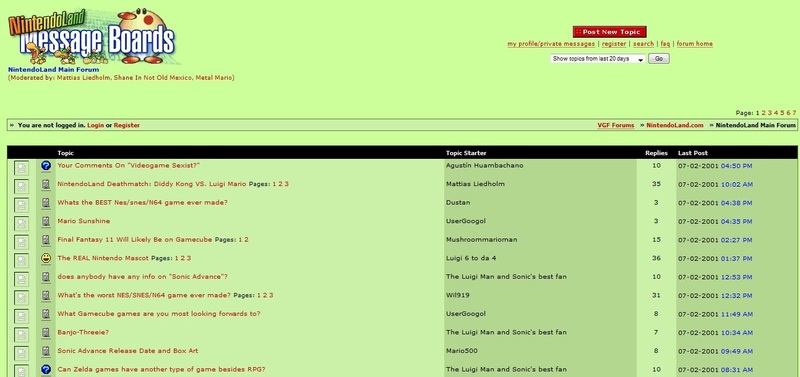
And probably after delving into the Yahoo! Directory (how I miss thee), I ended up on a message board called Nintendoland, part of a larger gaming message board site simply called the Video Game Forums (VGF).

And I basically didn’t leave for the rest of the decade.

Prior to this, my only “social” experience online was AOL’s chat rooms, which mostly consisted of me talking out of my ass about sports or people asking me “ASL”, to which “12/M/OH” never seemed to generate any follow up responses for some reason.

So when I encountered Nintendoland’s culture (really, typical of any message board of the time), I was hooked. Inside jokes and jargon, respected “veterans” and “noobs” of the community, total post counts that earned you different color stars and “ranks” under your username, registration day “birthdays” (which is why I remember 7/3/00)…it was gamification and social networking combined before either of those were household words.

I donned the username ShyGuy727, ironically not because of the social disposition I now hope to make a living writing about, but after one of my favorite Mario characters:

That day I made my first few posts, lord knows about what (VGF only lets me look back as far as 2008). While seeing fireworks with my parents the following night, I was already distracted by thinking back to my new online community, wondering what insightful thing or witty remark users like Tub-O-Troopa, KirbyKing, or VGF’s godfather, Shane, had to say.

Later that month we went on vacation, and I can vividly remember bragging to my cousin about my green stars (“given” only to those members that had made 100 or more posts) and trying to get him to join. Soon, the autumn arrived and so did school, and hopping on VGF from 3-4, Hot Pocket in hand, became part of my daily routine.

But the boards quickly became a place to talk about more than just the politics of the Mushroom Kingdom or a place to participate in “make a Kirby-related story, three words at a time” threads. A large number of non-video game-related forums served as both outlets and support systems for our adolescent strife.

Often, these issues were, yes, teenage in nature (“how do I ask a girl to prom?”). Other times they were the first exposure I had to real tragedy in my privileged yet sheltered suburban life:

Pre-any sort of site where I could read reaction at a 13-year old level, VGF was where I was able to make some sense of the weight of 9/11. A post that same afternoon from a forum member (that I interacted with daily) explaining he just found out his father was in the South Tower when it collapsed gave me much more perspective about the tragedies than any explanation from my parents or teachers ever could.

Another longtime member that I engaged with frequently passed away at 16 due to a chronic bone marrow disorder. Almost 10 years later, “Knux” is still memorialized on the site in his own dedicated forum, favorite memory threads as well as his obituary archived forever in a kind of digital monument.

We all learn that the world can be a cruel and nonsensical place at different times and in different ways, and for me it came through the stories of my digital friends.

These incidents only strengthened my bond with the board, and over the next 7-8 years I accrued over 10,000 posts on VGF, good enough (then) to put me top 30 all-time. Even though my actual video game playing waned heavily toward the end of this period, I became one of the forum’s most loyal and recognizable members.

I read about and commented on current events, helped other message board nerds sort through their pubescent drama, and sharpened my fantasy/role-playing writing skills in the “Battlefield”. I learned how to write with humor, express empathy through language, and even some basic HTML. In a place where soft opinions went to die, my writing voice also solidified and strengthened. I also had my first exposure to internet shock sites and was once so disturbed/nauseated I had to skip a family dinner.

In high school, my VGF visitation tapered off and my attention shifted to the slightly more mature (read: high schoolers and college students instead of middle schoolers and high schoolers) GameFAQs message boards, particularly the Sports and Racing forums. Funny enough, one of my fellow interns in New York was actually a member of these same forums, and upon moving there we quickly formed a friendship over our mutual nerddom.

But eventually real life started to out-fulfill my online one, and unceremoniously I said goodbye to ShyGuy727 and message boards* altogether.

Despite the enjoyment I derived from these online communities (and I suppose some of the trouble they kept me out of), for several years I looked back on this period of my life with utter contempt. Somehow I was convinced that if I hadn’t spent that time crafting my online persona, my offline one would have developed faster.

And maybe it would have. But chances are I also would have just found another “mindless” pursuit to fulfill my time, one that didn’t involve any kind of interaction with others, digital or otherwise.

But now, with the benefit of hindsight, I view all that time “wasted” on message boards as one the best things to ever happen to me.

Before I knew that I wanted to devote my life to writing (2012 or so), the story I would tell myself was something along the lines of “writing and creating always came naturally to me”. While it’s true I was always creating, scribbling, and sketching in notebooks on car trips, I never realized that these things didn’t come naturally—in reality I was honing them daily for about a decade. On video game message boards.

Those 10,000+ posts? In a way, I had been practicing for what I wanted to do with the rest of my life without even knowing it. Before having any idea what 10,000 hours was significant of, I was accumulating mine.

The ‘find your passion’ crowd often cries something along the lines of “look back to what infatuated you as a child”, and in the extremely limited scope of my own life, I can’t disagree with this. I was allowed to run rampant online (within reason) and as an inadvertent result I developed perhaps my greatest professional asset. Moreover, the forums helped me figure out more than just that I liked to write. You don’t spend all that time sharing your teenage tribulations with strangers and without learning a thing or two about what makes you tick and who you are as a person. Despite how trivial my “problems” were then, the daily introspection in that afternoon window developed a habit that continues on today in the form of journaling and meditation.

Of course, absolutely none of this was apparent at the time, which further exemplifies the importance of letting oneself pursue that which is on their mind during all hours of the day, without pragmatic purpose. Like Christine Hassler says in The 20 Something Manifesto:

Following your passion is a journey, not a magic wand; success is not immediate, but that doesn’t mean it won’t come.

So while I may never be a video game reviewer, game script writer, online counselor, or the mayor of Toad Town, for my writing’s sake, I am extremely grateful my parents never told me to ‘just go play outside’.

*before their resurgence in mainstream popularity as “social news” sites, ala reddit.